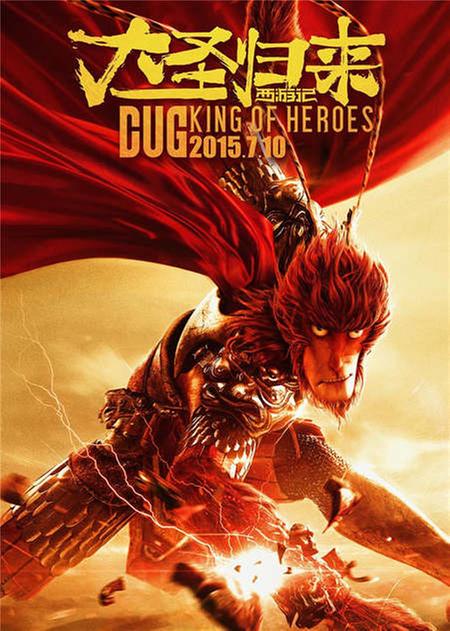
Monkey King Story
Introduction
The Monkey King story, rooted in the classic Chinese novel Journey to the West, is an iconic tale that has inspired countless adaptations in literature, theater, and film. This story has played a significant role in shaping the cultural and entertainment landscape of China, making it a pivotal part of the country's storytelling tradition. The Monkey King, or Sun Wukong, is a character renowned for his rebellious spirit and magical powers, captivating generations of audiences with his adventurous exploits and humorous antics.
Historical Background
The origins of the Monkey King story are commonly associated with the 16th-century novel Journey to the West, which is traditionally attributed to Wu Cheng'en. The novel is a fictionalized account of the pilgrimage of Buddhist monk Xuanzang to India to obtain sacred texts. Sun Wukong, the Monkey King, is one of Xuanzang's three protectors, endowed with immense strength, magical abilities, and a mischievous personality. His journey is filled with encounters with demons, gods, and mythical creatures, weaving a narrative rich in allegory and philosophical themes.
Cultural Impact
The Monkey King story holds a prominent place in Chinese folklore and has been a source of inspiration for various artistic expressions. Its influence extends beyond literature to traditional Chinese opera, animation, and film. The character of Sun Wukong embodies qualities such as bravery, intelligence, and defiance against oppressive forces, resonating with audiences across different cultural contexts. As a cultural symbol, the Monkey King represents the spirit of resilience and ingenuity, capturing the imagination of people worldwide.
Animated Adaptations
In the realm of animation, the Monkey King story has been adapted numerous times, each iteration bringing new interpretations and artistic styles. One of the most significant adaptations is the 1961 animated film Havoc in Heaven by the Shanghai Animation Film Studio, which utilized traditional Chinese music and Peking Opera influences. This film became a defining milestone in Chinese animation, celebrated for its artistic achievement and storytelling finesse. It received accolades both domestically and internationally, establishing a benchmark for future Chinese animated productions.
Modern Revivals
In recent years, the Monkey King story has experienced a resurgence in popularity, particularly within the Chinese animation industry. Films such as Monkey King: Hero is Back have captured the attention of modern audiences, blending traditional elements with contemporary animation techniques. These revivals reflect a broader trend of embracing cultural heritage while adapting to the tastes and expectations of current viewers. The success of these films highlights the enduring appeal of the Monkey King narrative and its capacity to adapt to changing times.
Challenges and Innovations
The journey of the Monkey King story through the animation landscape has not been without challenges. The decline of Chinese animation post-1980s, due in part to economic reforms and a shift towards market-based systems, resulted in a loss of talent and artistic direction. However, the industry is witnessing a renaissance, driven by a renewed focus on quality storytelling and innovative techniques. Animators are exploring new ways to incorporate traditional Chinese art forms, such as paper-cutting and ink painting, into modern animation, striving to create works that resonate with both domestic and international audiences.
Influences from Abroad
The development of Chinese animation, including adaptations of the Monkey King story, has been influenced by global trends and foreign productions. The impact of Japanese manga and anime, as well as Western animated films, has shaped the creative processes of Chinese animators. Filmmakers like Zhang Liyan have drawn inspiration from Japanese series such as Dragon Ball, integrating stylistic elements into their work. This cross-cultural exchange has enriched the animation industry, fostering a diverse range of artistic expressions.
Government Support and Industry Growth
Recognizing the cultural and economic potential of the animation industry, the Chinese government has implemented policies to support its development. Financial incentives and guidelines promoting the creation of original works have spurred a wave of creativity and innovation. As a result, Chinese animation is poised for growth, with filmmakers and studios eager to explore new narratives and showcase their talents on the global stage.
Future Prospects
The future of the Monkey King story in animation is promising, bolstered by a growing interest in original Chinese productions and the expanding reach of Chinese cinema. The proliferation of digital platforms and international collaborations presents new opportunities for storytellers to share the Monkey King's adventures with a global audience. As technology advances and storytelling techniques evolve, the Monkey King story will continue to captivate and inspire, preserving its status as a cultural treasure and a testament to the richness of Chinese mythology.








